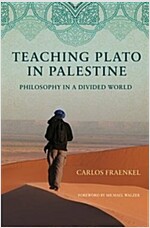

머리 말리다가 서가에 문득 눈에 띄여서 소개하기 위해 가져왔다. 코로나 때 프린스턴대 출판부 도서를 떨이로 팔길래 대거 구매했었는데 그게 아니었다면 사지 않았을 것 같은 본격 철학과 종교책이다.
그런데 흥미롭다
전쟁과 정의에 천착해 온 미국의 정치이론가 마이클 왈저의 서문도 재밌는데 예를 들어 "학계에 창의적인 기여를 했다, 별로 창의적이지 않은 학계에" 하는 식으로 본 문장이 아니라 그 다음 관계사절에서 약간의 위트를 더했다
아카데미아에서 교육받은 철학자가 쓴 책의 인트로에는 공통점 두 가지가 있는데 우선 단어에 대해 나름의 정의를 주고 그 이유를 기술해서 단어의 외연을 확장함으로써 서로 공적 테이블에 올려놓고 논의할 수준을 설정한다는 게 하나이고 다른 하나는 한 호흡에 읽을 수 있지만 하루 종일 음미해야하는 아주 정제되고 집약된 질문을 던진다는 데 있다. 대개 자기의 리서치 퀘스쳔이다.
아래에 인트로를 채선생의 도움을 받아 번역했다. 그리고 이 두 부분 포함 생각해볼거리를 표해두었다.
--
2000년, 저는 박사 학위 논문을 위해 아랍어와 히브리어 철학 텍스트를 연구하고 있었고, 아랍어 실력을 다듬기 위해 카이로에서 몇 달을 보내기로 했습니다. 자리를 잡자 이집트 학생들과 언어 교환을 시작했습니다. 서로를 알게 되면서, 우리는 서로의 삶의 방식에 대해서도 관심을 갖게 되었습니다.
그들은 저를 이슬람으로 개종시켜 영원히 지옥불에 떨어지는 제 영혼을 구하고 싶어 했습니다. 반대로 저는 그들이 허황된 내세(illusory afterlife)에 삶을 낭비하지 않도록, 제가 자라온 세속적 세계관으로 이끌고 싶었습니다.
한 학생 무함마드는 “이슬람에 ‘베팅’(Betting on Islam)하면 세 가지를 한 번에 얻는 셈입니다. 무슬림은 유대교와 기독교의 신도 믿으니까요.”라고 말했습니다.
저는 “저는 아예 신을 믿지 않아요.”라고 대답했습니다.
◎개인적 서사로 시작해서 높은 몰입도
무함마드는 “그럼 신의 존재를 증명할 수 없다는 걸 확신하나요?”라고 물었습니다.
그 질문은 제게 뜻밖이었습니다. 제가 속한 지적 문화권에서는 그저 자명한 전제로 여겨졌기 때문입니다. 저는 칸트(Kant)의 신 존재에 대한 존재론적 증명(ontological proof) 비판을 재현해 보려 했습니다.
무함마드는 “좋아요. 하지만 이 테이블의 존재는 원인에 의존하나요?”라고 물었습니다. 저는 “물론이죠.”라고 답했습니다. “그 원인은 또 다른 원인에 의존하죠?”
무함마드는 11세기 무슬림 철학자 아비센나(Avicenna)가 제시한 *형이상학적 증명(metaphysical proof)*을 떠올리고 있었습니다. 그는 원인의 무한 퇴행이 불가능하므로, 원인에 의존하는 존재는 스스로 존재하는 첫 번째 원인을 가져야 하며, 그 필연적 존재(necessary existent)가 바로 신이라고 주장했습니다.
◎아랍인의 입으로 듣는 서양철학자의 일화
저는 이에 대한 반론이 있었고, 그들은 다시 반박했습니다. 결론은 나지 않았습니다. 저는 이슬람으로 개종하지 않았고, 이집트 친구들도 무신론자가 되지 않았습니다.
그러나 이런 경험은 이 책에서 제가 씨름하는 두 가지 질문을 낳았습니다.
첫째, 철학하기라는 것이 학문 세계 바깥에서도 유용할 수 있는가?
둘째, 철학이 다양성(문화·종교 등)에서 오는 긴장을 제가 제안하는 ‘논쟁의 문화(culture of debate)’로 바꾸는 데 도움이 될 수 있는가?
저는 두 질문 모두에 대해 낙관적이어야 한다고 주장합니다.
책의 첫 번째이자 주요 부분에서는 철학을 교실 밖으로 꺼내야 한다는 실천적 논거를 제시합니다. 두 번째 부분에서는 논쟁의 문화를 위한 논증을 개괄합니다.
이 실천적 논거는 2006년부터 2011년까지 제가 조직한 다섯 번의 철학 워크숍에 기초합니다.
◎정제된 질문
예루살렘 동부의 팔레스타인 대학, 인도네시아의 이슬람 대학, 뉴욕의 하시디즘(Hasidic) 공동체, 아프로브라질 문화의 중심지 살바도르 다 바히아의 고등학생들, 그리고 북미의 모호크(Mohawk) 원주민 공동체가 그 무대였습니다.
저는 이 장소들을 의도적으로 갈등선 위에서 선택했습니다. 예루살렘은 이스라엘과 팔레스타인, 인도네시아는 이슬람과 서구, 뉴욕은 종교적 정통성과 근대성, 브라질은 사회적·인종적 분열, 그리고 북미 원주민은 식민주의의 유산과 맞닿아 있습니다.
이런 갈등은 형이상학과 종교에서 도덕과 정치에 이르는 근본 질문을 낳습니다.
신은 존재하는가?
경건함은 가치 있는가?
폭력은 정당화될 수 있는가?
사회 정의(social justice)란 무엇이며, 어떻게 도달할 수 있는가?
누가 통치해야 하는가?
정치적 자기결정권(political self-determination)은 무엇을 요구하는가?
◎확장된 질문. 개인 일화에서 시작해 사회까지 범위 확장
이런 질문들은 학생들의 개인적 신념에서부터 소규모 공동체(뉴욕의 하시디즘), 나아가 한 나라 전체(인도네시아와 브라질)의 미래 방향까지 영향을 미쳤습니다. 저는 철학이 이런 질문들을 더 명료하게 만들고, 해답을 탐구·정련하는 데 도움을 줄 수 있다고 봅니다.
세계 각지의 대화 상대들이 공통적으로 지녔던 점은, 저의 세속적 관점과 자주 충돌하는 강한 종교적 혹은 문화적 헌신이었습니다. 이집트 학생들과의 대화에서처럼, 저는 제 세계관을 이루는 가장 기본적인 확신들—무신론에서 삶의 방식에 이르기까지—을 제대로 깊이 생각해본 적이 없다는 사실을 자주 깨달았습니다. 평소 서구 학문권에서는 의심조차 하지 않는 것들을, 저는 강제로 다시 생각해야 했습니다. 워크숍은 도덕·종교·철학 문제에서 우리가 얼마나 분열돼 있는지를 제게 직접 보여주었습니다.
책의 두 번째 부분에서 저는, 많은 사람들이 이런 불일치를 낙담스러운 것으로 보지만, 그것을 ‘논쟁의 문화’로 전환한다면 긍정적일 수 있다고 주장합니다. 진리를 향한 공동 탐구로서의 논쟁 문화는, 우리가 당연하게 여겨온 신념과 가치를 검토할 기회를 줍니다. 이는 타인에게 관점을 강요하거나, 차이를 아무 의미 없다고 여기는 다문화적 무기력(multicultural complacency)에 빠지는 것보다 훨씬 매력적입니다. 철학은 이 논쟁 문화의 토대를 제공할 수 있습니다.
◎complacency에 대해 음미해 보면 다양한 사회적 함의가 있음
여기서 제가 말하는 ‘철학’은 특정한 철학적 세계관(예: 마르크스주의나 실존주의)을 뜻하지 않습니다.
제가 말하는 것은 철학의 실천(practice of philosophy)입니다. 논쟁 기술—논리를 명료히 하고 주장·반론을 구성·응대할 수 있게 하는 논리·언어학적 도구(아리스토텔레스 학파가 ‘오르가논(Organon)’이라 부른 철학자의 도구상자에 해당)—를 익히고, 논쟁의 덕목—승리보다 진리를 중시하고, 상대방의 관점을 최선으로 이해하려 노력하는 태도—를 기르는 것입니다.
즉, 논쟁 문화는 자기 주장을 이기는 데 쓰는 궤변(sophistry)이 아니라, 진리를 향한 공동 탐구라는 변증법적(dialectical) 기술에 기반합니다.
◎용어 정의하기
워크숍에서는 플라톤에서 니체까지의 철학자들을 다루었고, 그들의 사유는 논의의 출발점이자 현실과의 거리를 확보하는 틀이 되었습니다. 가능하면 해당 지역의 문화와 연관된 텍스트—중세 무슬림과 유대인 철학자들—를 포함해, 지역의 토론·성찰 전통 위에서 사유를 쌓고자 했습니다.
마지막으로 세 가지를 덧붙이고 싶습니다.
첫째, 제 목표는 학문적 철학의 가치를 폄하하는 것이 아닙니다. 저 역시 그 안에서 활동하며, 대학원생과의 토론이나 전문 독자를 위한 글쓰기를 즐깁니다. 동시에 철학의 가치는 학문에 한정되지 않으며, 두 영역을 오가는 것이 가능하고 풍요롭다고 믿습니다.
둘째, 이것은 철학이 종교의 안내 역할을 빼앗는 세속적 프로젝트가 아닙니다. 이미 언급했듯, 제 대화 상대 대부분은 매우 종교적이었습니다. 이집트 학생들과의 대화가 보여주듯, 철학의 실천은 세속-종교 경계를 넘나들 수 있습니다.
셋째, 이는 위대한 철학자가 ‘일반인’ 수준으로 내려와 지혜를 나누는 이야기가 전혀 아닙니다. 오히려 저는 제 질문의 폭이 얼마나 좁았는지 깨달았습니다. 이런 점에서, 평소 학문 세계에서 마주치지 않는 문제를 탐구할 기회를 얻은 것은 큰 이익이었습니다.
따라서 목표는 철학자가 무엇을 생각하고 해야 하는지를 말해주는 것이 아니라, 가능한 많은 사람이 철학의 실천을 습득하게 하는 것입니다. 여기서 학문적 철학자는 오랜 훈련 끝에 얻은 도구를 나눌 수 있습니다. 그것은 우리가 자기 자신, 공동체, 그리고 우리가 사는 세계와 관련된 질문들을 깊이 숙고하도록 돕는 도구입니다.
◎아까 정의했던 것의 재서술
워크숍 장소를 선택한 이유는 제가 관심 있는 질문을 생각하는 데 도움이 됐기 때문만이 아니라, 제 개인사와 학문적 전문성에 맞닿아 있었기 때문입니다. 덕분에 언어·문화적 능력으로 토론을 조율하고, 서술에 개인적 각도를 더할 수 있었습니다. 책 전반에 걸쳐 저는 비전문 독자를 위해 대화체 톤을 유지합니다.
특히 1부의 에세이는 일종의 지적 여행기(intellectual travelogue)처럼 읽을 수도 있습니다.
2부는 보다 체계적인 논증을 담고 있지만, 기술적 철학 지식을 전제하지 않습니다. 이 부분에서는 근대 초기 이래 정치철학(political philosophy)에서 핵심이었던 논쟁—다양성과 불일치를 어떻게 다룰 것인가—에도 개입합니다. 저는 전반적으로, 철학을 우리의 개인적·공적 삶에 끌어들이는 것이 가치 있다는 점을, 사례와 논거를 통해 보여주는 것이 이 책의 목표라고 생각합니다.
In 2000, I was working on Arabic and Hebrew philosophical texts for my doctoral thesis and decided to spend a few months in Cairo to brush up on my Arabic. Once settled in, I organized a language exchange with Egyptian students. As we got to know each other better, we also became concerned about each other’s way of life. They wanted to save my soul from eternally burning in hell by converting me to Islam. I wanted to save them from wasting their real life for an illusory afterlife by converting them to the secular worldview I grew up with. “Betting on Islam,” one student, Muhammad, argued, “gets you a three-in-one deal, because Muslims also believe in the God of Jews and Christians.” “But I don’t believe in God at all,” I replied. “So are you sure that we can’t prove God’s existence?” Muhammad asked. The question took me by surprise. Where I had been intellectually socialized, this was taken for granted. I tried to reproduce Kant’s critique of the ontological proof of God. “Fine,” Muhammad said, “but what about this table, does its existence depend on a cause?” “Of course,” I answered. “And its cause depends on a further cause?” Muhammad was referring to the metaphysical proof of God’s existence, formulated by the Muslim philosopher Avicenna in the eleventh century: since an infinite regress of causes is impossible, Avicenna argues, things that depend on a cause for their existence must have something that exists through itself as their first cause. And this necessary existent is God.
I had a counterargument to that, to which they, in turn, had a rejoinder. The discussion ended inconclusively. I did not convert to Islam, nor did my Egyptian friends become atheists. But experiences such as this gave rise to the two main questions I grapple with in this book: Can doing philosophy be useful outside the confines of academia? And can philosophy help turn tensions that arise from diversity (cultural, religious, and so forth) into what I propose calling a “culture of debate”? On both counts, I argue, we should be optimistic. In the first and main part of the book I make a practical case for taking philosophy out of the classroom. In the second part I sketch arguments for a culture of debate.
The practical case is based on five philosophy workshops that I organized between 2006 and 2011: at a Palestinian university in East Jerusalem, at an Islamic university in Indonesia, with members of Hasidic communities in New York, with high school students in Salvador da Bahia, the center of Afro-Brazilian culture, and in a Mohawk Indigenous community in North America. I chose the locations deliberately along various lines of conflict: Israel and Palestine, Islam and the West, religious orthodoxy and modernity, social and racial divisions in Brazil, and the struggle of Indigenous nations with the legacy of colonialism. These conflicts give rise to fundamental questions on topics ranging from metaphysics and religion to morality and politics: Does God exist? Is piety worth it? Can violence be justified? What is social justice, and how can we get there? Who should rule? What does political self-determination require? Such questions affected my students at multiple levels—from their individual beliefs to the values held by small groups, like the Hasidic communities in New York, to the future direction of entire nations, as in Indonesia and Brazil. Philosophy, I argue, can help to articulate these questions more clearly, and to explore and refine answers to them. One thing my interlocutors around the world had in common was strong religious or cultural commitments that often clashed with my secular views. As in my discussions with Egyptian students, I often realized that I hadn’t properly thought through some of the most basic convictions that constitute my worldview: from my atheism to my beliefs about how one should live. I was forced to think hard about these convictions that normally aren’t questioned in the Western academic milieu I come from. The workshops thus gave me firsthand insight into how divided we are on moral, religious, and philosophical issues. In the book’s second part I argue that, although many people find these disagreements disheartening, they can be a good thing—if we succeed in transforming them into a culture of debate. Conceived as a joint search for the truth, a culture of debate gives us a chance to examine the beliefs and values we were brought up with and often take for granted. It is more attractive than either forcing our views on others or becoming mired in multicultural complacency—as if differences didn’t matter at all. Here, too, I contend, philosophy can take on an important role: providing the foundation for a culture of debate.
By “philosophy” I don’t mean a particular philosophical worldview (for example, Marxism or existentialism). What I mean is the practice of philosophy: acquiring techniques of debate—logical and semantic tools that allow us to clarify our views and to make and respond to arguments (a contemporary version of what Aristotelians called the Organon, the “tool kit” of the philosopher)—and cultivating virtues of debate—valuing the truth more than winning an argument and trying one’s best to understand the viewpoint of the opponent. A culture of debate, in other words, is based not on the sophistical skill of making one’s own opinion prevail over others, but on the dialectical skill of engaging in a joint search for the truth. In the workshops, we also discussed the works of philosophers from Plato to Nietzsche that provided both a starting point for the discussion and sufficient distancefrom immediate concerns. As much as possible, these included texts with ties to the workshops’ cultural settings—for example, medieval Muslim and Jewish philosophers—with the aim to build on local traditions of debate and reflection.
Let me add three further clarifications. First, my aim is not to question the value of academic philosophy and its patient and technically sophisticated pursuit of clarity. I am myself thoroughly engaged in the discipline and enjoy discussion with graduate students and writing for a specialized audience. At the same time, I believe that the value of philosophy is not limited to its academic practice and that it is possible and enriching to move back and forth between the two spheres. Second, this is not a secular project where philosophy aims to usurp the guiding role of religion. I already mentioned that most of my interlocutors were deeply religious. As my discussion with students in Egypt illustrates, and as I argue in some detail in the book’s second part, the practice of philosophy can cut across cultural boundaries, including the secularreligious divide. Third, this is not at all about a great philosopher descending to the level of ordinary citizens to share his wisdom with them. On the contrary: through the discussions I realized how narrow even my repertoire of questions was. In this sense I greatly benefited from the opportunity to puzzle about issues that wouldn’t have come up in my normal academic life. The idea, then, is not to give philosophers a say about what we should think and do, but to enable as many people as possible to acquire the practice of philosophy. And here I think academic philosophers can contribute something after many years of training: by sharing the tools that can help us to think through questions related to ourselves, our communities, and the world we live in—no matter which answers we ultimately settle on. I did not choose the locations of the workshops only because they were helpful for thinking about the questions I am interested in. They are also tied to my biography and scholarly expertise. This gave me some linguistic and cultural competence to moderate the discussions, and allowed me to add a personal angle to the narrative. Throughout the book I maintain a conversational tone to engage nonspecialist readers. This is especially the case for the essays of the first part, which can also be read as a kind of intellectual travelogue. Although the second part presents a more systematic argument, it doesn’t presuppose technical philosophical knowledge. There I also intervene in a debate that has been central to political philosophy since early modern times: how to approach diversity and disagreement. My hope is that, on the whole, the book shows by example and argument that making philosophy part of our personal and public lives is something worthwhile.