영화와 미술관람 후 생각과 정서를 서술할 적합한 어휘를 찾지 못해 운을 떼지 못하고 있다가 예상치 못했던 세렌디피티를 통해 적절한 단어를 찾게 되기도 한다.
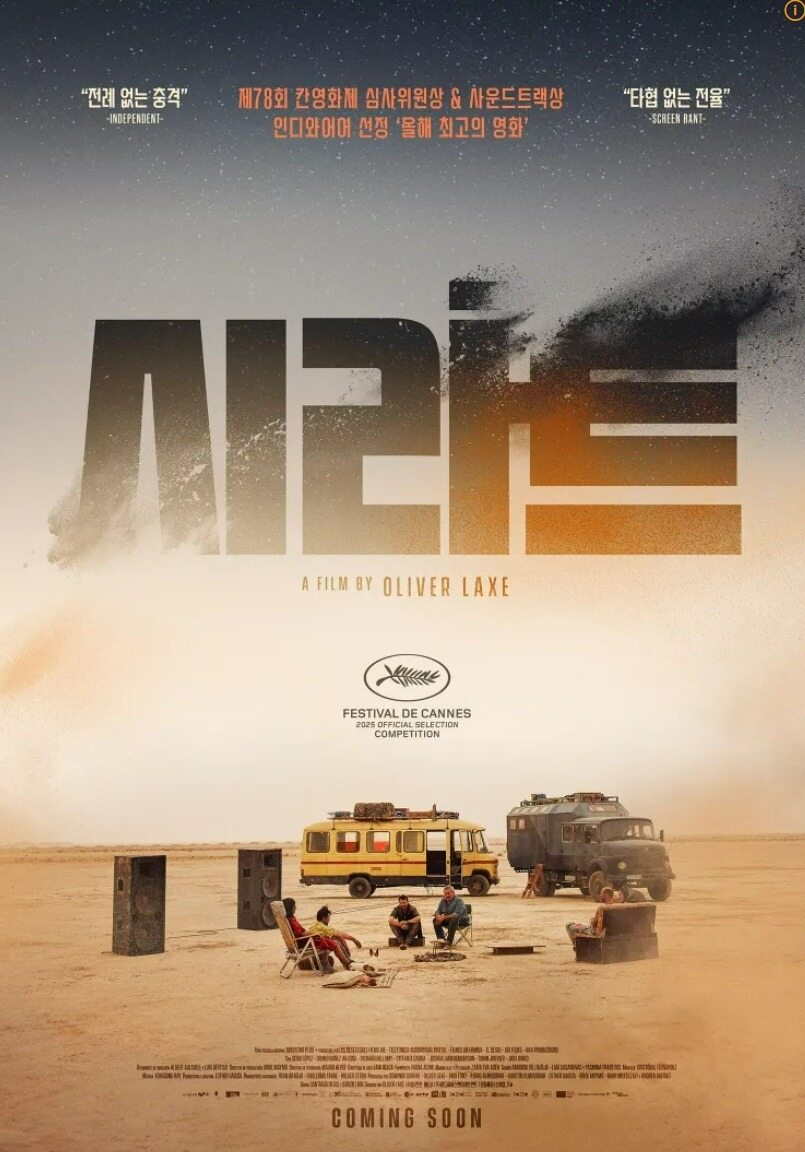
신간 <헬라어의 시간> p117 스플랑크니조마이(애끊는 자비)에서 영화 <시라트>의 촉각적 EDM을 설명할 가능성을 발견했다.
"고전 그리스 문학에서 스플랑크나는 분노, 불안, 욕망, 사랑과 같은 충동적 정념… 분노로 내장이 달아오르다… 같은 표현이 사용되는데, 이는 인간 감정을 머리가 아니라 배와 가슴 깊숙한 곳의 신체감으로 느꼈던 고대인의 정서 이해를 반영…내장 기관이 흔들릴만큼 깊고 강렬한 감정"

삼청 국제, 잠실 소마, 용인 백남준 등 최근 수 년 동안 여러 식물 관련 전시를 보았다. 18세기가 물리학의 전성기, 20세기가 화학의 황금기였다면 21세기는 생물학의 시대다. 세포분자생물, 뇌과학, 진화학, 생리학, 생태학등 리좀식으로 학문이 분화하고 한결 더 증진된 이해는 미술에도 반영된다. 제니퍼 로버츠를 경유하자

https://www.amazon.com/Transporting-Visions-Movement-Images-America/dp/0520251849
Transporting Visions follows pictures as they traveled through and over the swamps, forests, towns, oceans, and rivers of British America and the United States between 1760 and 1860. Taking seriously the complications involved in moving pictures through the physical world―the sheer bulk and weight of canvases, the delays inherent in long-distance reception, the perpetual threat to the stability and mnemonic capacity of images, the uneasy mingling of artworks with other kinds of things in transit―Jennifer L. Roberts forges a model for a material history of visual communication in early America. Focusing on paintings and prints by John Singleton Copley, John James Audubon, and Asher B. Durand―which were designed with mobility in mind―Roberts shows how an analysis of such imagery opens new perspectives on the most fundamental problems of early American commodity circulation, geographic expansion, and social cohesion.
책은 1760년부터 1860년 사이, 영국령 아메리카와 미국의 늪지와 숲, 도시와 바다, 강을 가로질러 이동한 이미지들의 여정을 추적하며 그림이 물리적 세계를 통과해 이동하는 과정에서 발생하는 복잡성을 진지하게 다룬다. 즉, 캔버스의 거대한 부피와 무게, 장거리 운송과 수신에 따르는 지연, 이미지의 안정성과 기억을 환기하는 능력을 위협하는 상시적 위험, 그리고 운송 과정에서 예술작품이 다른 사물들과 뒤섞이는 불안정한 상황 등을 면밀히 고려한다.
저자는 초기 미국 시각 커뮤니케이션의 물질적 역사를 서술하는 하나의 모델을 구축한다. 그녀는 이동성을 염두에 두고 제작된 John Singleton Copley, John James Audubon, Asher B. Durand의 회화와 판화를 중심으로 분석한다. 로버츠는 이러한 이미지들을 면밀히 검토함으로써, 초기 미국의 상품 유통, 지리적 팽창, 사회적 결속이라는 가장 근본적인 문제들에 대해 새로운 시각을 제시한다.