프라하와 후스
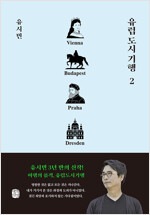
후스를 모른다고 해서 프라하 여행에 지장이 생기진 않지만 알면 프라하의 공간과 체코 사람들의 정서를 더 깊게 이해할 수 있다. 고등학생 시절 세계사 교과서에서 얀 후스(Jan Hus, 1372-1415)라는 ‘종교개혁가’의 이름을 처음 보았다. 그렇지만 후스가 그저 종교개혁가로서 프라하의 광장에 서 있는 건 아니다. 후스의 동상은 보헤미아 민족주의와 더 나은 세상에 대한 민중의 열망을 담고 있다. - <유럽도시기행 2>, 유시민 - 밀리의 서재
https://www.millie.co.kr/v3/bookDetail/179568250
그는 프라하 시내의 베틀레헴 예배당에서 설교했는데 여러 면에서 남달랐다. 무엇보다도, 종교 의전에서 라틴어를 쓰라는 로마 교황청의 지침을 무시하고 체코 말로 설교했다. 신자들이 알아들어야 의미가 있다고 생각한 것이다. 설교 내용도 교황청을 화나게 했다. 그는 믿음의 근거를 교회가 아니라 성서에서 찾아야 한다고 주장하면서 교회와 사제들의 범죄행위와 부정부패를 가차 없이 비판했다. 교황청의 면죄부 판매를 비난한 것이 특히 큰 문제를 일으켰다. 교황청은 후스를 눈엣가시로 여겼지만, 교황청과 세속권력의 착취와 억압에 신음하던 보헤미아 민중은 그를 정신적인 지도자로 받아들였다. 보헤미아에 ‘후스전쟁’의 씨앗이 뿌려진 것이다. - <유럽도시기행 2>, 유시민 - 밀리의 서재
https://www.millie.co.kr/v3/bookDetail/179568250
얀 후스가 남긴 종교개혁 운동의 불씨는 결국 들불이 되어 유럽 중세 봉건 질서의 해체를 재촉했다. 후스가 떠난 지 백 년도 더 지난 1517년, 독일 신학자 마르틴 루터는 후스와 똑같은 논리로 면죄부 판매의 부당성을 공개 비판했다 - <유럽도시기행 2>, 유시민 - 밀리의 서재
https://www.millie.co.kr/v3/bookDetail/179568250
보헤미아의 반란은 군주들 사이의 영토쟁탈전으로 비화해 독일·덴마크·스웨덴·프랑스를 차례로 끌어들였다. 전쟁의 성격을 규정하기 어려운 탓에 그저 ‘30년전쟁’이라고 하는 그 국제전은 1648년 ‘베스트팔렌조약’으로 끝이 났고 유럽의 봉건체제는 막을 내렸다.
베스트팔렌조약은 종교 선택의 자유를 인정했다. 루터파와 칼뱅파를 비롯한 개신교가 국제적 공인을 받았고 신성로마제국에 속했던 국가들이 저마다 영토주권과 외교권을 확보했다. 독일의 패권이 무너져 프랑스가 알자스 지방을 차지했고, 스웨덴은 발트해 연안 지역을 획득했으며, 네덜란드와 스위스가 독립했다. 유럽에 국민국가의 시대가 열린 것이다. 보헤미아 민족주의에 불을 질렀던 얀 후스의 사상은 공화국의 시대가 된 지금도 보헤미아 민중의 가슴에 흐르고 있다 - <유럽도시기행 2>, 유시민 - 밀리의 서재
https://www.millie.co.kr/v3/bookDetail/179568250